| |
|
|
|---|
| Topic: Economics |
3:11 pm EST, Feb 26, 2009 |
This graph stuck out in big O's budget blueprint: I didn't think it felt like much of a recovery... |
|
CAP Economic Snapshot for September 2008 |
|
|
|---|
| Topic: Economics |
3:50 pm EDT, Sep 10, 2008 |
6. The housing crisis deepens. New home sales in July 2008 were 35.3% lower than a year earlier, and existing home sales were 13.2% lower. The median price for existing homes had fallen by 7.1% and prices for new homes by 6.3% from July 2007 to July 2008. 7. Homeowners lose wealth. The values of all homes fell by 2.5%, or $417 billion, in the first quarter of 2007 after accounting for inflation—the largest drop since the second quarter of 1974. Home equity as share of home values also fell to a record low of 46.2% in the first quarter of 2008. 9. Mortgage troubles mount. One in 11 mortgages is delinquent or in foreclosure. In the second quarter of 2008, the share of mortgages that were delinquent was 6.4%, and the share of mortgages that were in foreclosure was 2.7%. The share of new mortgages going into foreclosure continues to reach new record highs with 1.1% in the second quarter.
That graph is scary. CAP Economic Snapshot for September 2008 |
|
Dollar falls below parity vs Swiss franc |
|
|
|---|
| Topic: Economics |
3:14 pm EDT, Mar 14, 2008 |
The dollar fell below parity with the Swiss franc for the first time on Friday as fears about more credit turmoil and a U.S. recession sparked broad selling of the U.S. currency. The dollar fell to an all-time low of 0.9987 Swiss francs , according to electronic trading platform EBS. It last traded at 1.0026 francs.
First the Canadian dollar, now the franc. This is bad folks.. America is slipping.. Dollar falls below parity vs Swiss franc |
|
Warren Buffett: "I should pay more tax" |
|
|
|---|
| Topic: Economics |
9:47 pm EDT, Oct 30, 2007 |
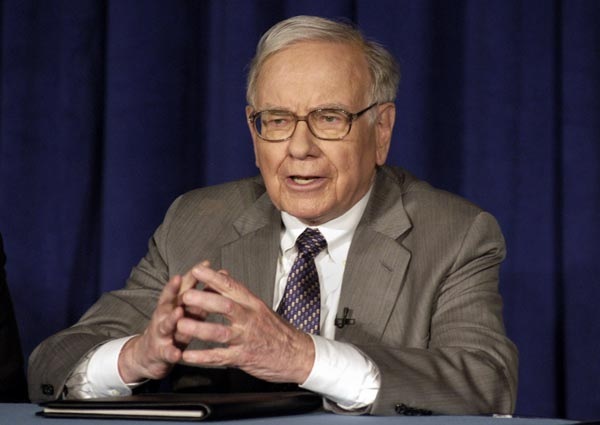
 The United States' second-richest man has delivered a blunt message to the Bush administration: he wants to pay more tax. Warren Buffett, the famous investor known as the "Sage of Omaha", has complained that he pays a lower rate of tax than any of his staff - including his receptionist. Mr Buffett, who is worth an estimated $52bn (�25bn), said: "The taxation system has tilted towards the rich and away from the middle class in the last 10 years. It's dramatic; I don't think it's appreciated and I think it should be addressed." During an interview with NBC television, Mr Buffett brandished an informal survey of 15 of his 18 office staff at his Berkshire Hathaway empire. The billionaire said he was paying 17.7% payroll and income tax, compared with an average in the office of 32.9%. "There wasn't anyone in the office, from the receptionist up, who paid as low a tax rate and I have no tax planning; I don't have an accountant or use tax shelters. I just follow what the US Congress tells me to do," he said.
Warren Buffett: "I should pay more tax" |
|
Oh Canada, true patriot love at all thy dollars' command... |
|
|
|---|
| Topic: Economics |
7:24 pm EDT, Sep 20, 2007 |
Canada's dollar traded equal to the U.S. currency for the first time in three decades, capping a five-year run on the back of booming demand for the nation's commodities.
The Canadian dollar has achieved parity with the USD. Really, I'm not shitting you... Oh Canada, true patriot love at all thy dollars' command... |
|
Fed’s Ex-Chief Attacks Bush on Fiscal Role - New York Times |
|
|
|---|
| Topic: Economics |
1:53 pm EDT, Sep 15, 2007 |
Alan Greenspan, who was chairman of the Federal Reserve for nearly two decades, in a long-awaited memoir, is harshly critical of President Bush, Vice President Dick Cheney and the Republican-controlled Congress, as abandoning their party’s principles on spending and deficits. In the 500-page book, “The Age of Turbulence: Adventures in a New World,” Mr. Greenspan describes the Bush administration as so captive to its own political operation that it paid little attention to fiscal discipline, and he described Mr. Bush’s first two Treasury secretaries, Paul H. O’Neill and John W. Snow, as essentially powerless.
Greenspan's book -- The Age of Turbulence: Adventures in a New World -- is going to be a must read... Fed’s Ex-Chief Attacks Bush on Fiscal Role - New York Times |
|
Wired News: Thumb-Print Banking Takes India |
|
|
|---|
| Topic: Economics |
3:12 am EST, Jan 22, 2007 |
Banks and ATM machines are an unfamiliar sight in the rural countryside here, but the government hopes to change that with new technology that could ease the transition from cash to computers. A pilot program will put 15 biometric ATMs at village kiosks in five districts across southern India. The machines are expected to serve about 100,000 workers who will use fingerprint scanners, rather than ATM cards and PINs, to obtain their funds.
I've read several things over time that have gotten me fairly excited about the idea of micro-lending in poor communities. It will be interesting to see how this plays out. Wired News: Thumb-Print Banking Takes India |
|
Fed chief Bernanke's prepared testimony before Senate - Jan. 18, 2007 |
|
|
|---|
| Topic: Economics |
3:14 pm EST, Jan 19, 2007 |
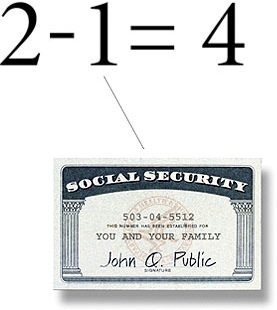
This is your country on Medicare and Social Security. The ratio of federal debt held by the public to GDP would climb from 37 percent currently to roughly 100 percent in 2030 and would continue to grow exponentially after that. The only time in U.S. history that the debt-to-GDP ratio has been in the neighborhood of 100 percent was during World War II. People at that time understood the situation to be temporary and expected deficits and the debt-to-GDP ratio to fall rapidly after the war, as in fact they did. In contrast, under the scenario I have been discussing, the debt-to-GDP ratio would rise far into the future at an accelerating rate. Ultimately, this expansion of debt would spark a fiscal crisis, which could be addressed only by very sharp spending cuts or tax increases, or both.
There is some very sound advice in here. The following statement seems so logical and obvious that one wonders why the Fed Chief has to say it. Members of the Congress who put special emphasis on keeping tax rates low must accept that low tax rates can be sustained only if outlays, including those on entitlements, are kept low as well. Likewise, members who favor a more expansive role of the government, including relatively more-generous benefits payments, must recognize the burden imposed by the additional taxes needed to pay for the higher spending, a burden that includes not only the resources transferred from the private sector but also any adverse economic incentives associated with higher tax rates.
Unfortunately, there are a whole lot of people who are living in total denial about this. Fed chief Bernanke's prepared testimony before Senate - Jan. 18, 2007 |
|